White Tiger Closeup Cross Stitch Pattern
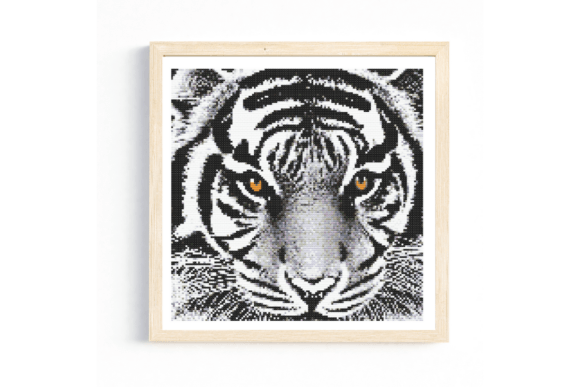
The White Tiger Closeup Cross Stitch Pattern is a striking design that offers a unique blend of detail and simplicity. As an embroidery designer with years of experience, I was eager to explore how this pattern might translate into real-world projects. From the moment I opened the PDF, I was struck by its clean layout and clear symbol chart. The black and white design makes it easy to follow, even for those new to cross stitch. It’s a great example of how a simple color scheme can still convey powerful imagery.
First Impressions and Visual Appeal
Visually, the White Tiger Closeup Cross Stitch Pattern has a dramatic and elegant mood. The subject is rendered in sharp detail, capturing the intensity and grace of a tiger in a way that feels both realistic and artistic. The use of whole stitches only ensures a consistent texture, which is ideal for creating a polished finished product. This pattern would work well on a variety of materials, from traditional Aida cloth to more textured fabrics like linen or cotton blends.
The design’s focus on the tiger’s face gives it a strong visual presence, making it perfect for items like embroidered patches, tote bags, or wall art. Its size—140 x 140 stitches—translates to a 10 x 10 inch piece when stitched on 14-count Aida, which is large enough to make a statement but manageable for most embroidery projects. The DMC floss key is a helpful addition, ensuring that users can easily match thread colors for accurate results.
Real-World Embroidery Applications
When considering the practicality of the White Tiger Closeup Cross Stitch Pattern, I thought about how it might perform in different types of handmade products. For custom apparel, such as sweatshirts or t-shirts, the design’s size could be scaled down using digital embroidery software. However, as a cross-stitch pattern, it may not be directly compatible with machine embroidery designs without some modification. That said, it could serve as inspiration for an applique design or a satin stitch version for commercial embroidery projects.
For smaller items like tote bags or aprons, the pattern could be adapted to fit a smaller hoop size. However, the dense stitch areas might require careful attention to avoid puckering or distortion. When working with stretchy fabrics, a good stabilizer is essential to maintain the integrity of the design. The same applies to dark fabric, where the contrast between the white threads and the background may need adjustment for visibility.
Practical Considerations for Handmade Products
One of the key factors in choosing an embroidery file is how well it translates to different materials and applications. The White Tiger Closeup Cross Stitch Pattern is ideal for items that don’t require frequent washing, such as decorative wall art or framed pieces. However, if it’s intended for a baby blanket or kitchen towel, the stitching needs to be durable and secure. Testing the pattern on scrap fabric before committing to a larger project is always a good idea.
Small details, like the tiger’s eyes or fur texture, are clearly defined in the pattern, which is great for a high-quality finished product. But these details can be challenging to execute, especially on curved surfaces like caps or rounded patches. In such cases, a running stitch or fill stitch approach might be necessary to maintain the design’s clarity.
Impact on Product Value and Customer Engagement
Using the White Tiger Closeup Cross Stitch Pattern in a handmade product can significantly enhance its value. The intricate design adds a level of sophistication that appeals to customers looking for unique, personalized gifts. Whether it’s a custom tote bag, a baby blanket, or a seasonal gift, the pattern provides a strong visual focal point that can elevate the overall appeal of the item.
From a branding perspective, this pattern can help maintain consistency across a product line. For small business owners or Etsy sellers, having a design that looks professional and detailed can make a big difference in customer trust and engagement. High-quality product photography is also easier when the design is visually striking and well-defined.
Embroidery Tips and Best Practices
To get the best results with the White Tiger Closeup Cross Stitch Pattern, there are several practical steps to consider. First, always test the design on a sample fabric to ensure that the stitch density and thread colors work well together. If you're planning to use it on dark fabric, check the contrast and adjust the thread colors if necessary.
For commercial embroidery projects, confirm the hoop size and file format compatibility before proceeding. While this is a cross-stitch pattern, it may need to be converted into a machine embroidery design for use on a sewing machine. Always review the licensing terms on the Creative Fabrica product page to ensure that the design can be used for your intended purpose.
Finally, inspect the finished product carefully for any missed stitches or inconsistencies. The detailed nature of the White Tiger Closeup Cross Stitch Pattern means that even small errors can be noticeable, so patience and precision are key.
Conclusion: A Versatile and Visually Striking Design
The White Tiger Closeup Cross Stitch Pattern is a versatile and visually compelling design that can be adapted for a wide range of embroidery projects. Its clean layout, detailed imagery, and clear instructions make it a valuable resource for both hobbyists and professionals. Whether you're creating a personalized gift, a custom apparel piece, or a commercial embroidery product, this pattern offers a strong foundation for quality craftsmanship.
As with any embroidery file, it's important to test and adapt the design to suit your specific needs. By taking the time to understand the pattern’s strengths and limitations, you can ensure that the final product meets the high standards expected by today’s discerning customers.